
This is one of the most common worries we hear, and it’s a fair one. Someone buys a cream, their skin gets darker instead of clearer, and now every new product feels like a risk. One customer told us her skin darkened after using what turned out to be a fake version of a popular cocoa butter cream. That fear is real, and you deserve an honest answer, not a sales pitch.
So here it is, plainly: pure, natural oils and butters do not bleach your skin, and they will not darken it either. What darkens skin is something else, and it’s worth understanding so you can stop worrying and start choosing better.
What actually makes skin darker
Your skin makes a pigment called melanin. More melanin in a patch of skin means that patch looks darker. A few things push melanin up, and none of them are “using a natural oil.”
The biggest one is the sun. Sun exposure is the single largest driver of dark spots and uneven tone, and it hits deeper skin tones harder. Dermatologists are blunt about this: unprotected sun keeps existing dark marks active and makes them harder to fade. The American Academy of Dermatology recommends daily broad-spectrum sunscreen because, as it notes, visible light can increase skin darkening.
The second driver is irritation and injury. When skin gets inflamed, from a harsh product, a bad reaction, a picked pimple, or a burn, it can heal darker than the skin around it. That’s called post-inflammatory hyperpigmentation, and it’s extremely common on darker skin. The irony is painful: a strong “brightening” cream that irritates your skin can leave you darker than when you started.
The third is the one that scares people most, and rightly so: adulterated or fake creams. Some products sold as brightening creams contain harsh or banned ingredients, or are counterfeits of trusted brands. These can damage the skin barrier and cause exactly the darkening and patchiness people are trying to avoid. If a cream promises to lighten you fast, be suspicious.
Why natural oils don’t do this
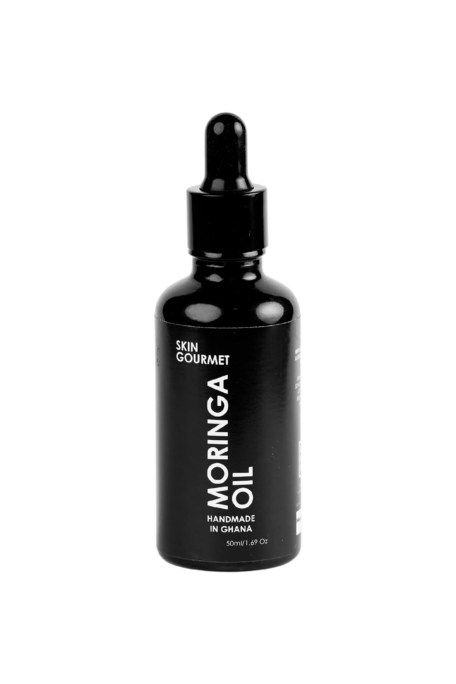
A pure oil with one ingredient and nothing added has no bleaching agent and no harsh actives. Our moringa oil, for example, is 100% Moringa oleifera seed oil, cold pressed, absolutely nothing else. It works by supporting your skin, not stripping it. It’s rich in fatty acids and antioxidant compounds, so it helps skin stay comfortable and hydrated, and it helps your complexion look more even by improving softness and the way skin reflects light.
Notice what that is and isn’t. It is not a promise to change your natural complexion. It is support for healthier-looking, more even, better-cared-for skin. That distinction is the whole point, and any honest brand should be clear about it.
What actually helps with an uneven complexion
If your goal is to restore skin that’s been darkened by a bad product and to keep an even, healthy tone, the approach that dermatologists agree on is gentle and unglamorous. It works.
Stop the harsh stuff first. If a cream is irritating, burning, or peeling you, it may be making things worse. Let your skin calm down.
Protect from the sun every day. This is the step people skip and the one that matters most. Without it, nothing else you do will hold.
Support the barrier with gentle, nourishing products. Well-moisturised, comfortable skin looks smoother and more even over time. This is where a simple oil earns its place.
Be patient. Real change in tone takes weeks to months, not days. Anything promising overnight results is the thing to distrust.
If you want to go deeper on the specific products for marks and spots, we wrote a fuller guide to natural products for dark spots and hyperpigmentation that walks through the options honestly.
When to see a professional
If pigmentation is spreading, changing, or not improving with gentle care, see a dermatologist. Some causes need proper diagnosis, and there’s no shame in getting real medical help rather than guessing with creams. Natural skincare is wonderful for daily care and for keeping skin healthy and comfortable. It is not a substitute for a doctor when something needs one.
The honest bottom line
You don’t have to be afraid of every product. You have to be careful about the right things: harsh actives, fake creams, and unprotected sun. Pure, single-ingredient oils and butters are on your side. They won’t bleach you, they won’t darken you, and they’ll help your skin look its healthy, even best.
Our moringa oil is a good, gentle place to start, and the rest of our oils are just as simple: real ingredients, nothing hidden, nothing to fear.